Recent Posts
Ways to Tell That Your Wood is Insect-Damaged
Posted by on
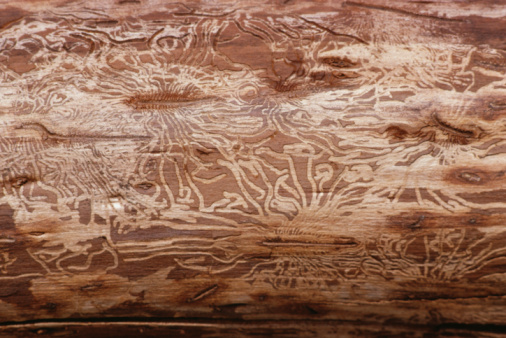
Solid wood furniture represents far more than an aesthetic choice; it is an investment in craftsmanship, permanence, and natural beauty. When properly cared for, hardwood furniture can endure for generations, developing a rich patina that enhances its character over time. However, even the finest solid wood is not immune to environmental threats. Among the most damaging—and often overlooked—are wood-boring insects, whose activity can quietly compromise both the structural integrity and visual appeal of fine furniture.
Whether you own a handcrafted antique reproduction or an original Victorian chair, preservation begins with awareness. Understanding how to recognize the signs of insect activity is essential to protecting your investment and preventing irreversible damage. Early detection allows for timely intervention, often preserving the piece before restoration becomes complex or costly.
Understanding Wood-Boring Insects
Several insect species are known to target wood furniture, each causing damage in distinct ways. Subterranean termites are among the most destructive, feeding on wood from the inside out and often remaining undetected until significant internal damage has occurred. Powderpost beetles are another common threat, particularly to hardwoods. These beetles lay eggs within the wood’s pores, and as the larvae mature, they consume the wood internally before emerging through small exit holes. Carpenter ants, while not consumers of wood, excavate it to create nesting galleries, weakening the structure over time.
Despite differences in behavior, the outcome is similar: compromised strength, hollowed interiors, and diminished value. Because much of this damage occurs beneath the surface, visual inspection alone is often insufficient unless one knows precisely what to look for.
Common Signs of Insect Damage
One of the most recognizable indicators of insect activity is the presence of small, round exit holes on the surface of the wood. These holes typically measure between one-sixteenth and one-eighth of an inch in diameter and are often found on undersides, interior panels, or concealed areas of furniture. Their appearance signals that adult insects have emerged after feeding within the wood. While the holes themselves may seem minor, they often indicate extensive tunneling beneath the surface.
Another critical sign is frass, a fine, powdery residue composed of wood particles and insect waste. Frass may collect beneath furniture, inside drawers, or along joints and seams. Its presence is a strong indication of active infestation, particularly in the case of powderpost beetles, whose feeding produces a distinctive, flour-like dust.
Structural changes in the wood can also signal insect damage. Furniture that appears intact but produces a hollow sound when gently tapped may have been internally compromised. In more advanced cases, sections of wood may feel soft or crumble under light pressure, indicating severe internal deterioration.
Less commonly, bubbling or blistering beneath the finish may occur. This can result from moisture buildup associated with insect activity or early stages of decay, conditions that can attract further infestation if left unaddressed. Additionally, the appearance of live insects, discarded wings—often associated with termites—or beetles emerging from exit holes strongly suggests an active problem requiring immediate attention.
What to Do If You Suspect Damage
Prompt action is essential when insect damage is suspected. The first step is to isolate the affected piece, moving it away from other wooden furniture to prevent potential spread. Professional evaluation is strongly recommended, as licensed pest control specialists can accurately identify the insect species involved and determine the appropriate treatment. Depending on the severity and type of infestation, solutions may include fumigation, heat treatment, or targeted chemical applications.
Once the infestation has been addressed, restoration may be possible. Skilled furniture conservators can often stabilize and repair solid wood pieces, preserving their original form, finish, and function. Furniture crafted using traditional joinery and quality hardwoods is particularly well-suited to such restoration efforts, underscoring the long-term value of well-made solid wood furniture.
Prevention Through Proactive Care
Preventing insect damage is far preferable to treating it. Maintaining stable indoor humidity levels is one of the most effective deterrents, as excess moisture attracts many wood-boring insects. Regular inspection of furniture—especially antique or heirloom pieces—allows early detection of subtle changes. Furniture should not be placed directly against walls where hidden infestations may exist, and storage areas should remain dry and well-ventilated.
Protective finishes also play a role, creating a barrier that discourages insect intrusion while enhancing the natural beauty of the wood. When combined with routine care and environmental control, these measures significantly reduce the risk of infestation.
Protecting Craftsmanship for Generations
We take great pride in the artistry, integrity, and enduring value of solid wood furniture. Preserving these custom made furniture pieces ensures they continue to be admired and enjoyed for generations to come. Vigilance, education, and timely action are the cornerstones of proper care. By understanding the signs of insect damage and responding promptly, you protect not only your furniture but the legacy it represents.