Recent Posts
Using Mayonnaise to Remove Water Marks from Wood Furniture
Posted by on
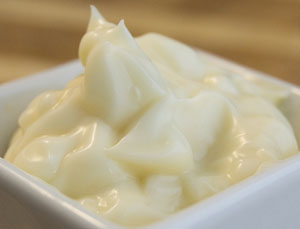
When water marks develop on fine wood furniture (such as antique bedroom furniture), they are often mistaken for permanent damage. In reality, most white or cloudy rings occur when moisture becomes trapped within the finish rather than penetrating the wood itself. This trapped moisture disrupts how light reflects off the surface, creating the familiar haze. Addressing the issue requires a method that gently releases the moisture without stripping or damaging the finish.
Why Mayonnaise Can Be Effective
Although unconventional, mayonnaise has long been used as a household remedy for minor finish blemishes. Its effectiveness lies in its oil content, which helps displace moisture within the finish while simultaneously conditioning the surface. Rather than relying on harsh solvents, mayonnaise works gradually, allowing the finish to regain clarity without aggressive abrasion or chemical exposure.
How to Apply Mayonnaise Safely
To begin, select a full-fat mayonnaise, as the oil content is essential to the process. Apply approximately two tablespoons onto a soft paper towel or lint-free cloth, spreading it evenly. Place the cloth directly over the water mark and apply light pressure to ensure consistent contact with the surface. The mayonnaise should rest on the finish rather than being rubbed in forcefully, allowing time for the oils to interact with the affected area. Allow the cloth to remain in place for approximately fifteen minutes. Afterward, remove it and gently wipe the surface clean with a dry, soft cloth, following the direction of the wood grain. If the mark has faded or disappeared, no further treatment is necessary. For more persistent stains, the process may be repeated for an additional fifteen minutes.
Addressing Deeper or Stubborn Marks
In cases where the water mark is more pronounced or has been present for an extended period, a small amount of baking soda may be mixed into the mayonnaise to create a slightly more active compound. Baking soda introduces mild abrasiveness, which can assist in lifting deeper discoloration. This approach should be used sparingly and with minimal pressure to avoid dulling the finish or altering the surface sheen.
Important Considerations for Fine Furniture
While mayonnaise offers a practical and accessible solution for minor water marks, it is best suited for sealed wood furniture with durable finishes. Always test the method in an inconspicuous area before full application. Antiques with shellac finishes, delicate patina, or significant historical value should be approached with caution, and professional guidance is strongly recommended before attempting any home treatment.
A Simple Solution with Timeless Results
This method highlights an important principle of furniture care: effective restoration does not always require expensive products or aggressive techniques. When applied thoughtfully and with respect for craftsmanship, even an everyday kitchen staple can help preserve the beauty and longevity of fine wood furniture.