Recent Posts
Undecorating: Modernism, Economic Change, and the Evolution of Interior Design
Posted by on
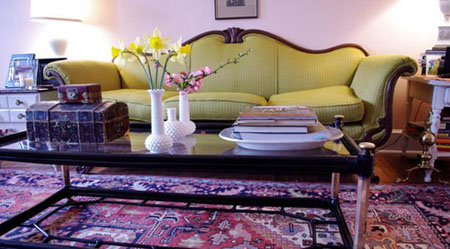
Following the financial recession of 2008, designers and cultural observers began to question how economic pressure would influence design. As in earlier periods of hardship, interiors initially moved toward minimalism and practicality. However, a more layered movement soon emerged. Rather than returning to strict modernist ideology, designers and homeowners began embracing what became known as “undecorating,” a philosophy centered on authenticity, comfort, and personal narrative rather than adherence to a single design doctrine.
The Rise of Eclectic, Narrative-Driven Interiors
Today’s interiors increasingly reflect a departure from rigid stylistic categories. Many homeowners now embrace a design philosophy often described as eclectic modernism, where historical and contemporary elements coexist harmoniously. This shift reflects a broader cultural openness to blending influences, materials, and time periods.
Design commentator Maxwell Gillingham-Ryan, founder of Apartment Therapy, once observed that modern design culture has moved beyond rigid definitions of “good” or “bad,” emphasizing instead the freedom to combine styles. This openness is reflected in interiors that pair heirloom Chippendale seating with contemporary storage solutions, antique reproduction dining tables with modern lighting fixtures, and richly upholstered velvet seating alongside natural materials such as linen and woven jute.
This approach prioritizes warmth and individuality over visual uniformity. Interiors are no longer expected to feel perfectly coordinated or showroom-like. Instead, they are designed to reflect personal experience, travel, family history, and evolving taste. The result is an environment that feels curated yet livable, refined yet deeply personal.
The Resurgence of the Do-It-Yourself Design Ethos
Complementing this shift is the renewed popularity of do-it-yourself design. As professional interior design services remain out of reach for many homeowners, individuals have increasingly taken ownership of their interior environments. Christiane Lemieux, founder of DwellStudio and author of Undecorate, notes that many homeowners aspire to sophisticated interiors but achieve them through personal experimentation rather than formal design consultation.
This democratization of design has created a new type of expertise, one grounded in creativity, resourcefulness, and personal storytelling. Homeowners are refinishing antique accent furniture, sourcing antiques through estate sales and auctions, and thoughtfully integrating reproduction furniture into their spaces. The resulting interiors often possess greater personality and character than traditionally staged environments, reflecting the individuality of those who live within them.
A Redefined Understanding of Value in Furniture and Design
The undecorating movement has also reshaped how value is perceived within furniture and interior design. Where previous generations often prioritized pristine condition and stylistic uniformity, many homeowners today value character, patina, and visible history. Furniture bearing subtle signs of age is often viewed as possessing narrative depth rather than imperfection.
Similarly, high-quality reproduction furniture has gained renewed appreciation. Rather than being viewed simply as imitation, finely crafted reproduction pieces are recognized for their technical skill, historical accuracy, and versatility within modern interiors. In this way, modernism in the 21st century has evolved into a flexible framework, one that emphasizes comfort, craftsmanship, and contextual relevance rather than rigid stylistic rules. These values closely parallel Laurel Crown’s long-standing commitment to historical authenticity, artisanal construction, and timeless design.
The Enduring Influence of Modernism Reimagined
Contemporary interiors increasingly favor layered compositions over rigid minimalism, personal expression over formulaic design, and historical reference over trend-driven uniformity. This renewed emphasis on warmth, individuality, and craftsmanship suggests that the future of modern design may draw heavily from the values of the past.
Ultimately, interior design continues to evolve not solely through professional trends, but through the creativity and vision of homeowners themselves. Rather than simply following design movements, today’s homeowners are redefining them—creating spaces that balance history, functionality, and personal meaning in ways that feel both timeless and distinctly modern.