- Home
- Learn About Antique Furniture and Reproductions
- Resources
- Wood and Furnishing Construction
- Understanding Wooden Joinery: The Art Behind Timeless Furniture
Understanding Wooden Joinery: The Art Behind Timeless Furniture
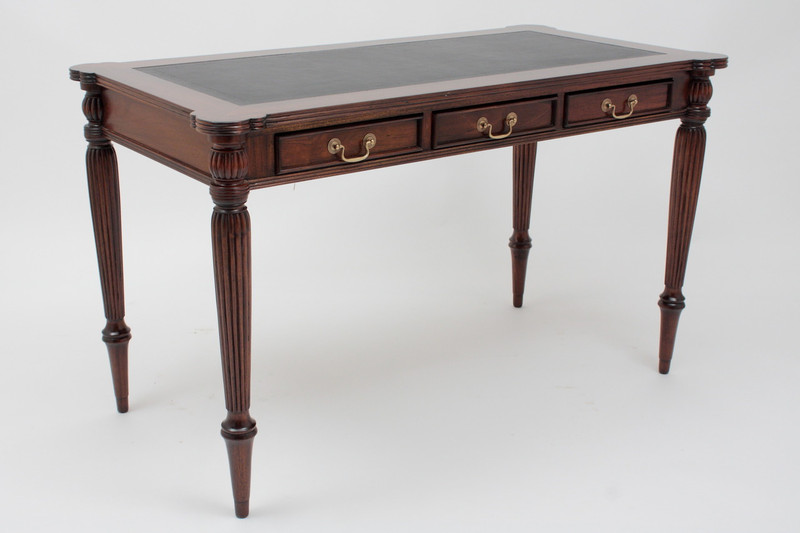
Without the ability to join multiple pieces of wood together, furniture would need to be carved from a single block—a process that would be laborious, time-consuming, and often less dimensionally stable. This is precisely why joinery plays such a pivotal role in fine furniture making. Throughout history, skilled craftsmen have developed a variety of woodworking joints, some dating back centuries, each offering its own unique combination of strength, beauty, and function.
Joinery is a hallmark of exceptional craftsmanship, yet distinguishing between different types of joints can be challenging without experience. We draw upon over 30 years of hand-building antique reproductions using traditional construction techniques. In this guide, we explore some woodworking joint tips, reviewing some of the most important types of wooden joints and what makes each one unique.
Types of Wooden Joints
- Butt Joint
As its name suggests, a butt joint is formed when one piece of wood simply “butts” against another, usually at a right angle, and is secured with mechanical fasteners. Commonly used in wall framing, trimming, and baseboards, a mitered butt joint can also be created by cutting the ends of two pieces at angles, so they join seamlessly and hide any end grain. - Lap Joint
A lap joint involves overlapping two pieces of wood. In a full lap joint, one piece overlaps the other and is fastened with nails or screws. A notched or half-lap joint allows the pieces to sit flush, providing extra strength and stability. Lap joints are particularly useful for structural framing or reinforcing wood that may sag or warp over time. - Tongue and Groove Joint
Also known as an edge-to-edge joint, the tongue and groove joint features a groove along one edge and a corresponding tongue on the mating piece. This design allows the boards to fit snugly together and is commonly used for creating wide, seamless tabletops and paneling. - Mortise and Tenon Joint
One of the oldest and most revered joinery techniques, the mortise and tenon joint joins perpendicular pieces of wood by inserting a tapered tenon into a corresponding mortise cavity. This simple yet durable joint is ideal for furniture legs, shelving, and other structural connections. - Biscuit Joint
A modern evolution of the butt joint, biscuit joinery strengthens edge-to-edge connections using small, compressed wood wafers called biscuits. Slots are cut into the wood, and the biscuits fit snugly to align and reinforce the boards. Biscuit joints are commonly used for tabletops and other large surfaces. - Pocket Joint
A pocket joint uses a counterbored angled hole and a pre-drilled pilot hole to connect two pieces of wood with a screw. Frequently used in cabinet making, pocket joints offer strength and precision, often aided by a jig to ensure accurate placement. - Dado Joint
A dado joint involves cutting a square-grooved slot into one board so another board fits snugly within it. Similar to tongue and groove joinery, dado joints are frequently used for bookcase shelves, cabinetry, and storage units. - Bridle Joint
Similar to a mortise and tenon, a bridle joint features a tenon on one piece that fits into a mortise cut to the full width of the other. This creates three gluing surfaces and is ideal for constructing narrow frames or housing railings. - Dovetail Joint
Renowned for both strength and aesthetic appeal, dovetail joinery interlocks two pieces using angled pins and tails. Variations include through dovetails, half-blind dovetails, secret mitered dovetails, and sliding dovetails, all prized for high-end casegoods and fine cabinetry. - Box Joint
Also known as a finger joint, a box joint resembles a dovetail but with square pins. Glue holds the boards together, making it ideal for boxes, chests, and crates.
Appreciating Craftsmanship
Understanding these different types of joinery allows you to identify the construction techniques behind the furniture in your home and truly appreciate the artistry involved. We take pride in hand-building antique reproductions with meticulous attention to detail, using traditional joinery methods that ensure both beauty and lasting durability. Whether you’re drawn to a classic Queen Anne chair, a Victorian sideboard, or a Chippendale chest, our team can help bring your vision to life. Contact us today to explore how Laurel Crown’s craftsmanship can elevate your home with furniture that blends timeless design with exceptional quality.
Our Advantages
-

Trustworthy Reputation.
Online businesses come and go, but our customers trust our 26 years of experience building fine furniture to deliver on our promises. Read our story and our customer reviews to see why people love Laurel Crown.
-

Quality is our Priority.
We don't take shortcuts. We like to do things the old-fashioned way and that includes the way we make our furniture. Fine hardwoods, solid joinery techniques, hand-tied upholstery—just a few ways we build our furniture to last through wear and tear over the years.
-

Yes, We Customize.
Don't see what you want? We'll work with you to design and build the perfect custom furniture for your individual home. Just want to change the upholstery or wood color? We do that too, just give us a call. We love doing custom projects for our customers!
-

100% Money-Back Guarantee.
We understand buying furniture online can be daunting so we offer a 100% money-back guarantee and no restocking fees on all orders except when customized or shipped internationally. We offer a satisfaction guarantee because we stand by the quality of our workmanship. And not only do we believe in our products, we use them too!