- Home
- Learn About Antique Furniture and Reproductions
- Resources
- Reproduction Furniture Decorating Tips
- Furniture Styles Guide: From French Provincial to Federal Design
Furniture Styles Guide: From French Provincial to Federal Design
Choosing the Right Furniture Style for Your Space
Understanding furniture styles is essential for creating interiors that feel cohesive, intentional, and enduring. This furniture styles guide offers a refined introduction to the most influential design traditions, helping you navigate the nuances of form, craftsmanship, and historical context. We believe that fine furniture is more than functional; it is an expression of artistry and heritage. From the ornate elegance of Victorian pieces to the balanced precision of Chippendale designs, each style carries its own narrative, allowing you to curate a space defined by timeless sophistication.
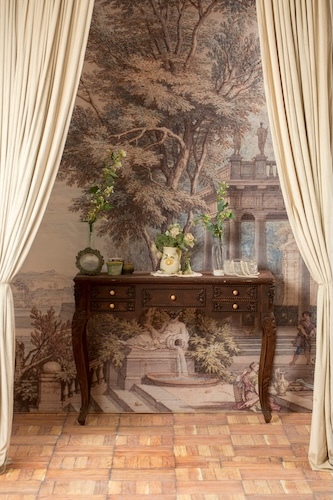
Victorian Furniture: Ornate Grandeur and Romantic Detail
Victorian furniture, originating during the reign of Queen Victoria (1837–1901), is synonymous with opulence and intricate craftsmanship. Characterized by elaborate carvings, rich upholstery, and dark woods such as mahogany and walnut, this style reflects a period of prosperity and decorative excess.
Technically, Victorian pieces often feature cabriole legs, tufted upholstery, and heavily embellished surfaces. Motifs such as florals, scrolls, and acanthus leaves are frequently incorporated into carvings, demonstrating the artisan’s skill and attention to detail. The scale of Victorian furniture tends to be substantial, designed to convey both comfort and status.
When integrating Victorian elements into a modern interior, balance is key. A single statement piece—such as a carved settee or an intricately detailed sideboard—can anchor a room while maintaining visual harmony.
Chippendale Furniture: Precision and Refined Ornamentation
Named after the renowned 18th-century cabinetmaker Thomas Chippendale, this style is celebrated for its balance of elegance and craftsmanship. Chippendale furniture is defined by its graceful proportions, meticulous joinery, and subtle decorative elements.
Distinctive features include ball-and-claw feet, ribbon-back chairs, and fretwork detailing influenced by Gothic, Rococo, and Chinese design motifs. Unlike the heavier Victorian aesthetic, Chippendale pieces emphasize precision and restraint, allowing the quality of the wood—often mahogany—to take center stage.
From a technical standpoint, Chippendale furniture exemplifies masterful woodworking techniques, including mortise-and-tenon joints and hand-carved embellishments. These elements ensure both structural integrity and enduring beauty, making Chippendale designs a cornerstone of traditional interiors.
French Provincial Furniture: Rustic Elegance and Understated Charm
French Provincial furniture draws inspiration from the countryside estates of 17th- and 18th-century France. It combines the refinement of Parisian design with the warmth and simplicity of rural craftsmanship. This style is characterized by curved lines, cabriole legs, and lightly distressed finishes. Woods such as oak, cherry, and walnut are commonly used, often painted or whitewashed to achieve a soft, inviting aesthetic. Decorative elements are present but restrained, favoring subtle carvings over elaborate ornamentation.
Technically, French Provincial pieces are designed with both beauty and practicality in mind. Their proportions are slightly more relaxed than formal French styles, making them highly adaptable to contemporary living spaces. The result is a style that feels both sophisticated and approachable.
Queen Anne Furniture: Graceful Curves and Balanced Proportions
Emerging in the early 18th century, Queen Anne furniture represents a shift toward lighter, more refined design. It is distinguished by its emphasis on graceful curves, minimal ornamentation, and harmonious proportions. Key features include cabriole legs, pad or trifid feet, and gently curved silhouettes. Walnut is the predominant wood used in Queen Anne pieces, often finished to highlight its natural grain. Upholstered elements tend to be understated, allowing the form of the furniture to remain the focal point.
From a technical perspective, Queen Anne furniture demonstrates a move away from heavy carving toward refined shaping techniques. This evolution underscores a growing appreciation for elegance achieved through form rather than embellishment.
Federal Furniture: Symmetry and Classical Influence
Federal furniture, popular in the United States from approximately 1780 to 1830, reflects the influence of classical antiquity and neoclassical design. It is characterized by its emphasis on symmetry, proportion, and delicate ornamentation. Common features include tapered legs, inlaid veneers, and motifs such as urns, swags, and eagles. Woods such as mahogany, satinwood, and cherry are frequently used, often enhanced with contrasting inlays to create visual interest.
Technically, Federal furniture showcases advanced veneering and inlay techniques, requiring exceptional precision and craftsmanship. The result is a style that is both refined and architecturally inspired, ideal for interiors that prioritize order and balance.
Selecting the Right Style for Your Space
Choosing the appropriate furniture style involves more than aesthetic preference—it requires an understanding of scale, proportion, and material compatibility. Consider the architectural elements of your space, as well as the intended atmosphere. A formal dining room may benefit from the structured elegance of Federal or Chippendale pieces, while a more relaxed setting may be enhanced by the warmth of French Provincial design.
Equally important is the quality of construction. Authentic craftsmanship—evident in joinery, carving, and finishing techniques—ensures that each piece not only complements your interior but also stands the test of time.
A Legacy of Design Excellence
Furniture styles are not merely categories; they are reflections of cultural movements, technological advancements, and artistic ideals. By understanding their defining characteristics and technical nuances, you can curate interiors that honor tradition while remaining distinctly personal. We are committed to preserving these legacies through meticulous craftsmanship and historically informed design. Whether you are drawn to the ornate beauty of Victorian furniture or the refined precision of Chippendale pieces, each style offers an opportunity to create a space of enduring elegance and distinction. Check out our furniture styles page to shop by style and read frequently asked questions.
Our Advantages
-

Trustworthy Reputation.
Online businesses come and go, but our customers trust our 26 years of experience building fine furniture to deliver on our promises. Read our story and our customer reviews to see why people love Laurel Crown.
-

Quality is our Priority.
We don't take shortcuts. We like to do things the old-fashioned way and that includes the way we make our furniture. Fine hardwoods, solid joinery techniques, hand-tied upholstery—just a few ways we build our furniture to last through wear and tear over the years.
-

Yes, We Customize.
Don't see what you want? We'll work with you to design and build the perfect custom furniture for your individual home. Just want to change the upholstery or wood color? We do that too, just give us a call. We love doing custom projects for our customers!
-

100% Money-Back Guarantee.
We understand buying furniture online can be daunting so we offer a 100% money-back guarantee and no restocking fees on all orders except when customized or shipped internationally. We offer a satisfaction guarantee because we stand by the quality of our workmanship. And not only do we believe in our products, we use them too!